Best Feed for Buffalo: A Complete Guide to Better Nutrition and Milk Production
The Best Feed for Buffalo is not simply one product or ingredient. A good buffalo feeding program should provide a balanced supply of protein, energy, fiber, vitamins, minerals, and clean water according to the animal’s age, body condition, milk production stage, and overall nutritional needs. Quality buffalo feed can complement forage and help dairy farmers maintain healthy animals and support consistent milk production.
Choosing the right feed also depends on forage availability, feed quality, ingredient selection, feeding practices, and farm management. Farmers may consider balanced cattle feed, high protein cattle feed, compound feed, dry fodder, and appropriate supplements as part of a complete ration. This guide explains the nutrients buffaloes need, commonly used feed ingredients, feeding quantities, common mistakes, and how to choose the Best Feed for Buffalo.
What Nutrients Should Buffalo Feed Provide?
Buffaloes need a combination of nutrients to maintain body functions, support growth, reproduction, health, and milk production. The exact requirement varies according to factors such as body weight, age, lactation stage, and production level.
- Protein
Protein is important for muscle development, tissue repair, body maintenance, and milk production. A suitable high protein cattle feed can help contribute protein to the overall ration when the animal’s nutritional requirements are higher.
Protein may come from ingredients such as soybean meal, oilseed meals, and other protein-rich feed materials. Soybean meal for cattle is commonly used in formulated Best feed for Buffalo because it is a concentrated protein source.
- Energy
Energy is needed for movement, maintenance, growth, reproduction, and milk production. Grains and other energy-rich ingredients can contribute to the energy density of the ration.
Corn for cattle is one commonly used grain ingredient because it provides energy and can be included in properly formulated compound feed.
- Fiber
Fiber is essential for healthy rumen function and proper digestion. The Best Feed for Buffalo should therefore be combined with suitable green and dry fodder to provide adequate fiber, rather than relying only on concentrated feed.
Green fodder, dry fodder, and other suitable roughage sources can contribute fiber to the ration.
- Vitamins and Minerals
Vitamins and minerals support bone development, immunity, reproduction, metabolism, and other normal body functions. Depending on the complete feeding program, a cattle feed supplement or mineral supplement may be used to help meet specific nutritional requirements.
- Water
Clean and fresh water is essential for buffaloes. Adequate water intake supports normal digestion, body functions, and milk production. Water should be available regularly, especially for lactating animals.
Which Ingredients Are Commonly Used in Buffalo Feed?
The exact formulation of quality Best feed for Buffalo varies by product and nutritional purpose. A well-formulated feed combines different ingredients to provide a balanced nutrient profile.
1.Grains and Energy Sources
Corn and other grains are commonly included as energy sources. Corn for cattle can contribute energy to the ration when used at appropriate levels.
2.Protein Sources
Protein ingredients such as soybean meal for cattle, mustard cake, and cottonseed-based ingredients may be included depending on the feed formulation.
Cotton seed cattle feed ingredients can contribute nutrients, but they should be used according to the formulation and overall nutritional requirements of the animal.
3.Forage and Roughage
Green fodder and dry cattle feed sources such as suitable hay or other roughages are important components of buffalo feeding. They provide fiber and help support normal rumen activity.
4.Minerals and Vitamins
Mineral and vitamin ingredients may be added to formulated feeds to help support nutritional balance. Their quantity should be appropriate for the animal and the rest of the diet.
5.Compound Feed Ingredients
Compound cattle feed combines multiple ingredients into a formulated product designed to provide specific nutritional support. The value of the feed depends on its complete formulation, ingredient quality, manufacturing, and suitability for the animal.
How Does Balanced Feed Support Buffalo Milk Production?
A buffalo’s milk production depends on several factors, including genetics, lactation stage, health, body condition, forage quality, water intake, environmental conditions, and overall management. Best Feed for Buffalo is an important part of this system, but no single feed ingredient can guarantee increased milk production.
A balanced cattle feed program can help provide the nutrients buffaloes need to support normal body maintenance and productive performance. Adequate protein, energy, fiber, vitamins, minerals, forage, and water should work together rather than being considered separately.
- Protein and Milk Production
Protein contributes amino acids needed for maintenance and milk synthesis. A well-formulated ration should provide suitable protein from quality feed ingredients according to production requirements.
- Energy and Milk Production
For lactating buffaloes, the Best Feed for Buffalo should provide adequate energy to help meet the higher demands of milk production. If the overall diet does not provide enough energy, maintaining healthy body condition and consistent production may become more difficult.
- Fiber and Digestion
Appropriate fiber from forage supports rumen function and normal digestion. Concentrate Best feed for Buffalo should complement forage rather than replace the roughage component of the diet.
- Consistent Feeding
Regular feeding schedules, gradual ration changes, sufficient water, and proper feed storage can help farmers maintain a more consistent feeding program.
For farmers searching for the Best Feed for Buffalo to increase milk production, the focus should therefore be on the complete ration rather than one feed product alone.
How Much Feed Does a Buffalo Need?
There is no single feeding quantity that is correct for every buffalo. Best Feed for Buffalo requirements vary according to body weight, age, breed, milk production, lactation stage, forage quality, body condition, and the nutritional density of the ration.
A lactating buffalo generally requires a combination of forage and concentrate feed, with the amount adjusted according to its production and nutritional needs.
Factors That Affect Feed Quantity
- Body weight and size
- Daily milk production
- Stage of lactation
- Quality and quantity of green fodder
- Nutrient density of concentrate feed
- Health and reproductive status
Farmers should follow the manufacturer’s feeding recommendations for packaged feed and work with a qualified animal nutrition professional when precise ration formulation is required.
Avoid increasing concentrate feed suddenly. Best Feed for Buffalo changes should generally be introduced gradually while monitoring appetite, digestion, body condition, and production.
What Is the Role of Forage and Concentrate Feed?
A balanced buffalo diet usually includes both forage and concentrate feed. Each serves a different purpose.
1.Green Fodder
Green fodder can provide moisture, fiber, and various nutrients. Suitable fodder crops can form an important part of the daily diet.
2.Dry Fodder
Dry cattle feed such as suitable hay and crop residues can contribute fiber and help maintain the roughage portion of the ration.
3.Concentrate Feed
Concentrate Best feed for Buffalo is more nutrient-dense than most roughage and can supply additional protein and energy. Commercial compound cattle feed is one way farmers can provide concentrated nutrients in a formulated form.
How to Select the Best Feed for Buffalo
Selecting the Best Feed for Buffalo requires more than comparing labels or buffalo feed price. Farmers should consider how the feed fits into the animal’s complete ration.
- Check the Nutritional Profile:Look for information about protein, energy, fiber, minerals, vitamins, and other relevant nutrients. The product should match the buffalo’s feeding stage and production requirements.
- Evaluate Ingredients:Quality ingredients contribute to nutritional value and consistency. Farmers can review the ingredient profile and consider how it complements the forage already being fed.
- Consider Feed Quality:Good manufacturing practices, proper storage, packaging, and quality checks can help maintain consistency. Reliable cattle feed products should be produced under controlled processes.
- Choose the Right Feed Form:Pellets, mash, and other Best feed for Buffalo forms may suit different farms. Farmers should consider storage, handling, transportation, wastage, and feeding convenience when making a choice.
- Compare Value, Not Just Price:A lower buffalo feed price does not automatically mean better value. Farmers should consider nutrient density, quality, consistency, feeding recommendations, and how much of the product is required within the complete ration.
- Consider Supplier Reliability:Reliable cattle feed wholesale suppliers and manufacturers can provide consistent product availability and support regular feeding programs. Farmers should choose suppliers with a clear focus on quality and nutritional consistency.
Farmers should also consider the feed’s nutritional value, ingredient quality, feed form, and suitability for the buffalo’s age and milk production stage. A quality feed should complement forage and other feed sources as part of a balanced feeding program.
Common Buffalo Feeding Mistakes to Avoid
Even good feed may not deliver the intended nutritional benefits if feeding practices are poor. Some common mistakes include:
- Feeding an Unbalanced Ration
Providing too much of one nutrient while neglecting others can create nutritional gaps. Buffaloes need a balanced combination of protein, energy, fiber, vitamins, minerals, forage, and water.
- Relying Only on Concentrate Feed
Concentrate feed should complement forage rather than completely replace it. Appropriate roughage is important for rumen function.
- Making Sudden Feed Changes
Abrupt changes in feed can affect intake and digestion. New feed should generally be introduced gradually.
- Ignoring Water
Insufficient or poor-quality water can affect overall intake and productive performance. Fresh, clean water should always be available.
- Poor Feed Storage
Moisture, contamination, pests, and poor storage conditions can reduce feed quality and nutritional value. The Best Feed for Buffalo should be stored properly in a clean, dry, cool, and protected area to help maintain its quality and freshness.
Brahmi Cattle Feed – Balanced Nutrition for Dairy Buffaloes
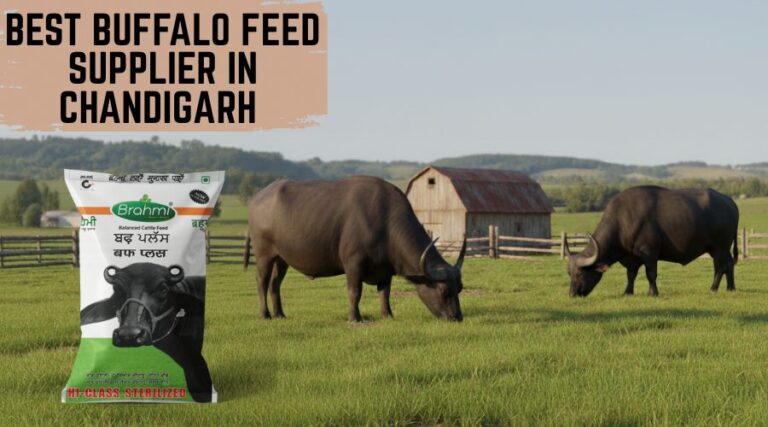
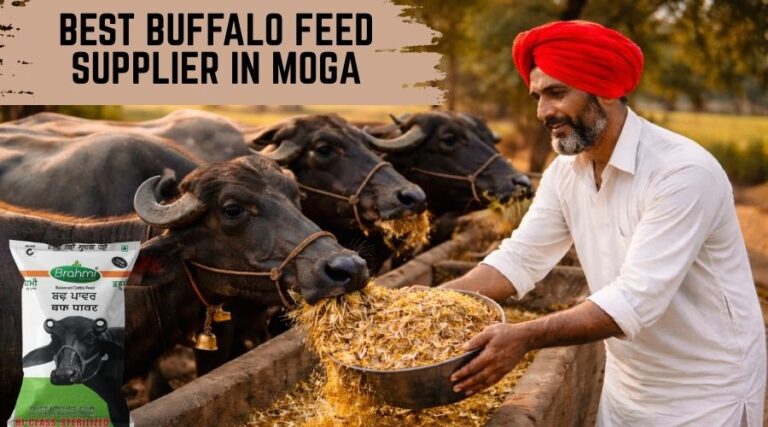
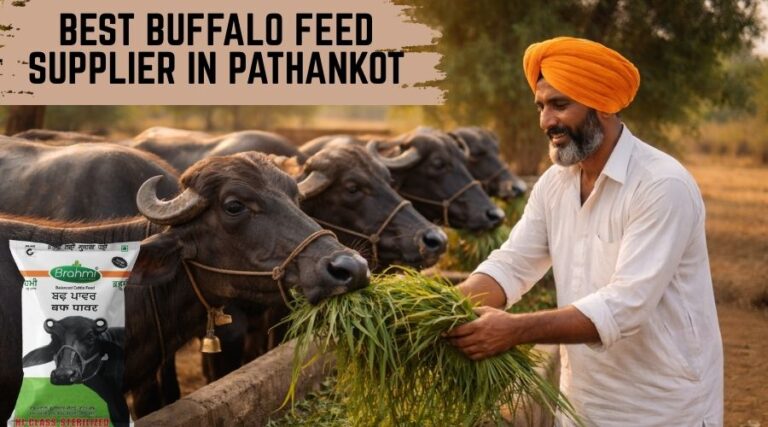
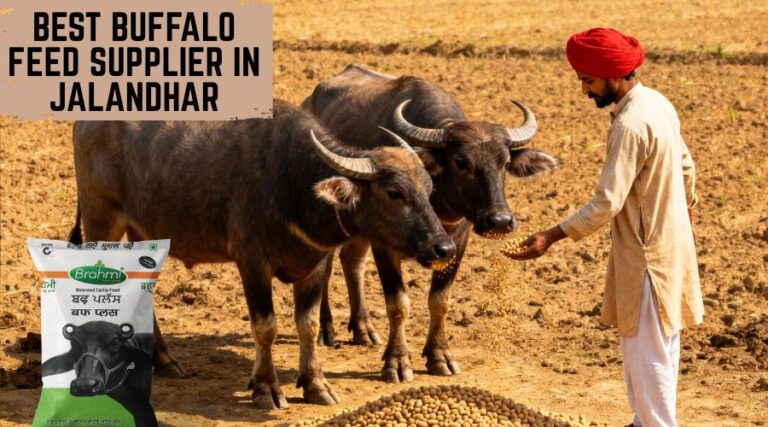
Brahmi Cattle Feed provides practical feed solutions that can complement the nutritional needs of dairy buffaloes. Its feed products focus on quality ingredients, nutritional consistency, controlled manufacturing, and convenient pellet-based feed solutions that can support everyday feeding and management.
For farmers looking for best cattle feed, buffalo feed, or quality dairy cattle feed, Brahmi products can be included as part of a complete feeding program with suitable forage, clean water, and proper management. The right feed should always be selected according to the buffalo’s nutritional requirements and overall ration.
Why Choose Brahmi Cattle Feed for Better Buffalo Nutrition
Brahmi Cattle Feed focuses on balanced nutrition, quality ingredients, consistent manufacturing, and farmer convenience. Its feed products can complement forage and other feed sources as part of a planned feeding program for dairy buffaloes.
Key considerations include:
- Balanced Nutrition: Feed products are formulated to provide important nutrients such as protein, energy, fiber, vitamins, and minerals required by dairy animals. When included in a complete feeding program, they can help complement forage and support overall animal nutrition.
- Quality Ingredients: Carefully selected ingredients contribute to the nutritional value, palatability, and consistency of the feed. Quality raw materials also help ensure that the feed provides a dependable nutrient supply when used as directed.
- Pellet Form: Compact and uniform pellets can make feeding more convenient by simplifying handling, storage, transportation, and portioning. The consistent form can also help reduce ingredient separation during routine feeding.
- Consistent Quality: Controlled manufacturing processes and quality checks help maintain consistency in feed composition and product quality. Consistent Best feed for Buffalo can make it easier for farmers to follow regular feeding practices.
- Dairy-Focused Solutions: Feed products are designed to complement the nutritional requirements of dairy animals such as cows and buffaloes. They can be incorporated into feeding programs based on the animal’s age, body condition, production stage, and forage availability.
- Farmer Convenience: Practical feed formats can simplify everyday feeding and make it easier to measure and distribute feed across the herd. Convenient handling and storage can also support better day-to-day feed management on dairy farms.
Farmers should select feed according to the buffalo’s age, body condition, milk production stage, forage availability, and overall ration. A quality feed product is most effective when it forms part of a balanced and well-managed feeding program.
Support Healthy Buffaloes and Consistent Milk Production
Healthy buffaloes need a complete nutritional approach that combines suitable concentrate feed, good-quality green and dry fodder, clean water, minerals, proper housing, and regular health management.
Brahmi Cattle Feed provides practical cattle feed products that can complement this feeding program and support the nutritional needs of dairy buffaloes.
Contact Information
Brahmi Cattle Feed
Address: Village Nanhera, Tehsil Rajpura, Punjab, India – 140147
Call: 9592046590
Email: brahmioffice@gmail.com
Conclusion
Choosing the Best Feed for Buffalo starts with understanding the animal’s nutritional needs rather than looking for one universal feed product. Buffaloes require an appropriate balance of protein, energy, fiber, vitamins, minerals, forage, and water, with feeding levels adjusted according to body weight, milk production, and growth or lactation stage.
Farmers should compare the nutritional profile, ingredients, quality, feed form, storage requirements, and buffalo feed price before making a decision. Choosing quality feed from reliable suppliers and combining it with suitable forage and proper management can help support healthy buffaloes, good body condition, and consistent milk production.
FAQs – A Complete Guide to Better Nutrition and Milk Production
Q1.What is the best feed for buffalo?
Ans. The Best Feed for Buffalo is a balanced combination of suitable forage, concentrated feed, protein, energy, fiber, vitamins, minerals, and clean water. The exact feed should depend on the buffalo’s age, body weight, health, and milk production stage.
Q2.What nutrients does a buffalo need for healthy growth and milk production?
Ans. Buffaloes need adequate protein, energy, fiber, vitamins, minerals, and water. The required levels vary according to body size, growth stage, lactation, and overall feeding conditions.
Q3.What should I feed a buffalo to increase milk production?
Ans. A balanced ration containing suitable green fodder, dry fodder, concentrate feed, adequate protein and energy, minerals, and clean water can support milk production. Milk yield also depends on genetics, health, lactation stage, and overall farm management.
Q4.How much feed does a buffalo need per day?
Ans. Best Feed for Buffalo requirements vary by body weight, milk yield, lactation stage, forage quality, and ration composition. Farmers should follow product feeding recommendations and adjust the ration according to the animal’s nutritional needs.
Q5.How can I choose the best buffalo feed for better nutrition and milk production?
Ans. Compare the feed’s nutritional profile, ingredient quality, manufacturing standards, consistency, feed form, price, and suitability for the complete ration. A reliable cattle feed supplier can also help farmers select products appropriate for their animals.